Fun stuff! I was contacted by a super cute girl to be interviewed for an article she was writing and now I'm quoted in the Deseret News!
Check out the article: No Pity Needed for Gluten-Free Eaters
The author, Crystalee Beck, and I have very similar gluten free journey stories. In fact, I'll be posting hers in the future for the "My Gluten Free Journey" series.
Be sure to check out the article! And I'd love to hear your opinion on it. Have you gotten to the point of being okay with being gluten free?
(I'm a little late on posting this article. I'm feeling better as far as morning sickness goes, but then I had the flu for a week. Hopefully I'm going to feel well for a long long time now!)


Showing posts with label Tips and Info. Show all posts
Showing posts with label Tips and Info. Show all posts
Tuesday, April 17, 2012

Tuesday, November 22, 2011
Interesting Article on Gluten
My friend posted an article about gluten sensitivities on facebook that I found very interesting. It's stuff I've heard and believed, but hadn't seen actual numbers on it till now.
The parts I found especially interesting are these:
It also talks about the many different diseases associated with gluten sensitivity and how an estimated 99% of the population who have a problem with eating gluten don't even know it.
Definitely an article worth passing on.
The parts I found especially interesting are these:
A recent large study in the Journal of the American Medical Association found that people with diagnosed, undiagnosed, and "latent" celiac disease or gluten sensitivity had a higher risk of death, mostly from heart disease and cancer. (i)
This study looked at almost 30,00 patients from 1969 to 2008 and examined deaths in three groups: Those with full-blown celiac disease, those with inflammation of their intestine but not full-blown celiac disease, and those with latent celiac disease or gluten sensitivity (elevated gluten antibodies but negative intestinal biopsy).And:
The findings were dramatic. There was a 39 percent increased risk of death in those with celiac disease, 72 percent increased risk in those with gut inflammation related to gluten, and 35 percent increased risk in those with gluten sensitivity but no celiac disease.
Another study comparing the blood of 10,000 people from 50 years ago to 10,000 people today found that the incidences of full-blown celiac disease increased by 400 percent (elevated TTG antibodies) during that time period. (ii)
It also talks about the many different diseases associated with gluten sensitivity and how an estimated 99% of the population who have a problem with eating gluten don't even know it.
Definitely an article worth passing on.
Sunday, May 1, 2011
May: Celiac Disease Awareness Month
 |
| Picture from here |
Did you know May is Celiac Disease Awareness Month?
It is.
Pretty cool, huh?
Be on the lookout for gluten free promotions at grocery stores, restaurants, and online because of this.
Click here for a list of restaurants participating in the Chef to Plate campaign this month (Utah is on page 20). Here's a brief description of what the 2011 Chef to Plate campaign is all about:
This is a grass-roots campaign to help spread awareness of celiac disease and gluten intolerance throughout the nation and into Canada and even Turkey this year, using restaurants that already have a gluten-free menu and have a solid working understanding of how to treat gluten-free menu orders. We will be sending out Posters and Table Tents to these restaurants to post during the month of May (national Celiac Awareness Month).Watch for those posters and table tents. The exposure is awesome!
Just a few years ago people would look at me with a blank stare as I explained that I couldn't eat flour. They'd ask if gluten was in beans, fruit, rice, etc. Nowadays when I tell people I have a gluten intolerance they usually know what it is, know someone who has it, and know the basics of what gluten is in.
I love it!
And months like this can make it even better. Easier for us at restaurants. More gluten free choices in the grocery stores with lower prices. More undiagnosed people discovering the solution to their health problems. And on and on.
So be sure to take advantage of Celiac Disease Awareness Month, both by raising awareness and by taking advantage of gluten free specials you'll find.
Tuesday, April 5, 2011
My GF Journey: Doing tests
I realized I haven't posted very much about my gluten free story. I had another blog before this where I posted the story, but I didn't put it on Gluten Free in Utah. Here is part 2 of 2 about my gluten free journey. (You can find part 1: Why I Went Gluten Free here):
So once I figured out there was a good chance I had a gluten intolerance I decided I'd better stop eating gluten, but also that I should find out what my doctor had to say about it. I can't remember the exact time frames, but basically I tried to go gluten-free, messed up within a week or two, saw my doctor sometime during those 2 weeks, had blood tests done, and had the tests come back negative for celiac.
Now, you may be wondering why in the world I would do something as extreme as going gluten-free if I'm not celiac. Here are my answers:
So once I figured out there was a good chance I had a gluten intolerance I decided I'd better stop eating gluten, but also that I should find out what my doctor had to say about it. I can't remember the exact time frames, but basically I tried to go gluten-free, messed up within a week or two, saw my doctor sometime during those 2 weeks, had blood tests done, and had the tests come back negative for celiac.
Now, you may be wondering why in the world I would do something as extreme as going gluten-free if I'm not celiac. Here are my answers:
- I still might be. There are a lot of reasons I say that. Some are founded by medical research (done by other people, of course) and some are just what other people have told me. A few of the reasons are:
- I had already started my gluten-free diet when I had my blood drawn. I don't think my doctor knew very much about celiac disease. I've come to this conclusion based on the fact that he told me it was okay that I hadn't eaten gluten for a week or two. Some sources say you need to have been eating gluten for at least 3 months prior to having your blood drawn.
- I don't think the correct blood tests were done. There are 4 blood tests that are supposed to be done to determine if a patient has celiac disease or not and then the results have to be looked at in a certain way. Many doctors don't know enough about celiac to know the proper procedure for these tests and, like I stated above, I think my doctor is among those who don' t know enough about it.
- Even if the blood tests were done correctly you can still receive a false negative (they say you don't have celiac, but you actually do). There are other tests that can be done that are more conclusive (I'll discuss these in another post).
- Someone (another celiac) told me that for some people they have to have celiac for at least 9 years before it will show up positive in their blood work (and it will only show up positive if they've continued to include gluten in their diet that whole time). Don't know how true this is (she read it in some book), but I figured I'd share anyway.
- I could still have a gluten intolerance. Which can cause just as many problems as celiac, but it isn't doing the damage to your intestines like it does if you have celiac. I have read that if you have an intolerance and continue to eat gluten, the intolerance can become celiac (if you have the gene for it).
- Most importantly: I feel better when I don't eat gluten. Actually, that's an understatement. It's more like, I feel awful if I do eat it. Maybe I'm just crazy (like all the doctors thought) and it's all in my head and I don't have any sort of gluten intolerance at all. Maybe it's having the whole "placebo effect" on me, but hey, I feel 100 times better than I used to and that's a good enough reason for me.
Thursday, February 24, 2011
Gluten Free Tip: Try Bountiful Baskets
I realize a lot of you already know about Bountiful Baskets, but I want to do this post in case you haven't or to convince you to try if you're sitting on the fence.
Bountiful Baskets is a produce co-op where you can get fresh produce at a great price because so many people are participating. A basket costs $15 (plus $1.50 processing, so $16.50) and you get around $40 worth of produce. They try to do 50/50 fruits/vegetables.
Here are some baskets I got a few years ago (back when I took pictures to send to my sister each time):


Great stuff, huh?! There's often 1 or 2 items in each basket I never would have bought on my own because I didn't know what it was or how to use it. Now I love some of those things! If you join the Bountiful Baskets Facebook page you'll get good ideas on how to use the produce you get.
It's the perfect option for those on a gluten free diet! It's good for anyone, but especially those doing gluten free. Fruit and vegetables are all naturally gluten free, so it gives you a large variety of snack options and meal ideas. It has really broadened my recipe collection (watch for a Jerusalem artichoke recipe post coming up). When your options are limited this is a very good thing. Plus, it can save you money.
They have locations all over Utah as well as Arizona, Colorado, Idaho, Montana, Nevada, Oregon, Texas, Washington, and Wyoming. If your state isn't listed here check around for a produce co-op near you.
Actually, the reason these pictures are from over a year ago is because I started my own produce co-op when I lived in Woods Cross. I got a bunch of friends and neighbors (24 to be exact) and we bought our produce at wholesale since there were so many of us. Since moving I've started doing Bountiful Baskets again because I don't know 24 people well enough to start a co-op going. I would love to again though (I got my basket for free doing it that way).
If you have any questions about Bountiful Baskets or about how to start your own co-op, let me know and I'd be more than happy to help!
Bountiful Baskets is a produce co-op where you can get fresh produce at a great price because so many people are participating. A basket costs $15 (plus $1.50 processing, so $16.50) and you get around $40 worth of produce. They try to do 50/50 fruits/vegetables.
Here are some baskets I got a few years ago (back when I took pictures to send to my sister each time):
 |
| The box of citrus was an add-on ($12, I think?), so the $16.50 included everything that isn't in the box. Awesome, right? |


 |
| This was another add-on (around $7 maybe?). It was the Italian pack. It's how I discovered I love ratatouille. |
It's the perfect option for those on a gluten free diet! It's good for anyone, but especially those doing gluten free. Fruit and vegetables are all naturally gluten free, so it gives you a large variety of snack options and meal ideas. It has really broadened my recipe collection (watch for a Jerusalem artichoke recipe post coming up). When your options are limited this is a very good thing. Plus, it can save you money.
They have locations all over Utah as well as Arizona, Colorado, Idaho, Montana, Nevada, Oregon, Texas, Washington, and Wyoming. If your state isn't listed here check around for a produce co-op near you.
Actually, the reason these pictures are from over a year ago is because I started my own produce co-op when I lived in Woods Cross. I got a bunch of friends and neighbors (24 to be exact) and we bought our produce at wholesale since there were so many of us. Since moving I've started doing Bountiful Baskets again because I don't know 24 people well enough to start a co-op going. I would love to again though (I got my basket for free doing it that way).
If you have any questions about Bountiful Baskets or about how to start your own co-op, let me know and I'd be more than happy to help!
Saturday, August 14, 2010
Part 2: How I do gluten free when at a friend's
Here's Part 2 to the question:

This gets a lot easier the longer you've been gluten free. At first it can be quite difficult because not only are you still getting used to explaining gluten free to people, but it can also be intimidating to the person making dinner for you.
There are two instances that stick out in my mind when I think about this question. The first was when my husband and I were dating, just after finding out I had a gluten intolerance. We had been invited to dinner by a past member of his student ward bishopric and his wife, along with his roommates and their girlfriends. I had only been gluten free for a week at this point. I just went, hoping there would be plenty of gluten free options for me. They had lasagna, breadsticks, and salad. I was so worried about making them feel bad that I ate it. I had a small piece and then lots and lots of salad. I got sick, but not too terribly since I hadn't been off gluten for very long yet and I think I still had some in my system. I think that was a good learning experience for me (yay that I didn't get too sick). I learned that I really need to prepare beforehand by either:
a.) making certain that the meal will be gluten free or
b.) eating enough beforehand that I won't be hungry that night, but not eating too much, so I'd still have room for the meal if it was gluten free.
I learned those things early on and had gotten good at making sure to do them, but I still needed to learn more.
The second story that comes to mind was when I was eating at my (by that time) fiance's families house. His dad was so wonderful at making sure everything he made was gluten free. That night he made one of the families favorite meals. It was a rice dish and seemed just fine. But on the drive home my vision started to blur (my first sign that I've been "glutened"). I couldn't figure out what it was I'd eaten and then realized there was soy sauce in the dish. I remembered hearing that some soy sauces had gluten. We called his dad and had him look at the ingredients of the soy sauce he used. Sure enough, it contained wheat. I was again lucky because I didn't get very sick (it wasn't a ton of soy sauce), but it made me realize I still had more to learn.
Do you have any tips?
See part 1 here.
What do you do when traveling, going to a friend's for dinner, or just going out to a restaurant? I've found this to be very tricky. Any tips would be great!Part 2: How I do gluten free when at a friend's for dinner
This gets a lot easier the longer you've been gluten free. At first it can be quite difficult because not only are you still getting used to explaining gluten free to people, but it can also be intimidating to the person making dinner for you.
There are two instances that stick out in my mind when I think about this question. The first was when my husband and I were dating, just after finding out I had a gluten intolerance. We had been invited to dinner by a past member of his student ward bishopric and his wife, along with his roommates and their girlfriends. I had only been gluten free for a week at this point. I just went, hoping there would be plenty of gluten free options for me. They had lasagna, breadsticks, and salad. I was so worried about making them feel bad that I ate it. I had a small piece and then lots and lots of salad. I got sick, but not too terribly since I hadn't been off gluten for very long yet and I think I still had some in my system. I think that was a good learning experience for me (yay that I didn't get too sick). I learned that I really need to prepare beforehand by either:
a.) making certain that the meal will be gluten free or
b.) eating enough beforehand that I won't be hungry that night, but not eating too much, so I'd still have room for the meal if it was gluten free.
I learned those things early on and had gotten good at making sure to do them, but I still needed to learn more.
The second story that comes to mind was when I was eating at my (by that time) fiance's families house. His dad was so wonderful at making sure everything he made was gluten free. That night he made one of the families favorite meals. It was a rice dish and seemed just fine. But on the drive home my vision started to blur (my first sign that I've been "glutened"). I couldn't figure out what it was I'd eaten and then realized there was soy sauce in the dish. I remembered hearing that some soy sauces had gluten. We called his dad and had him look at the ingredients of the soy sauce he used. Sure enough, it contained wheat. I was again lucky because I didn't get very sick (it wasn't a ton of soy sauce), but it made me realize I still had more to learn.
- Let friends and family know you're gluten free from the start. Obviously, your close friends and family probably knew right at the beginning because it's a big thing in your life, but be sure to let extended family and new friends know as well. I'm not talking about calling up everyone on your phone list and announcing to each of them that you're gluten free "just in case they were ever going to make you some food." I'm talking about casually letting anyone who might every make/buy food for you know that you don't eat gluten. It causes less awkwardness later on. For example, I'm LDS (Mormon) and have visiting teachers (2 women from my ward who visit me at least once a month and are there for me if I need to call on them). Visiting teachers often bring treats or meals to those they visit teach. Whenever I get new visiting teachers, I try to casually mention that I'm unable to eat gluten. Most people know someone else who can't eat gluten, so it's actually good for conversation.
- Have someone else (who knows as much about gluten as you) tell the friend what you can have. It's often easier if my husband is the one explaining what I can and can't have to friends or neighbors who invite us over (or want to bring us food after having a baby). Why? Because I get really apologetic about it and kind of feel bad for putting restrictions on what they can and can't make. He doesn't mind because it's for me (just like I'm perfectly fine telling people he doesn't like fish or pineapple, so don't make that).
- Give suggestions. People are more than happy to make you something you can eat, but as soon as you take pasta, bread, cream soups, etc. out of the picture, they're sort of lost as to what they can make you. Make it easier on them and give specific suggestions. I'll often brainstorm with them until they come up with something (that way if I find out it has any sauces in it I can make sure it's a gluten free brand they're using or just tell them it's easiest to stay away from sauces altogether). I've found this makes them feel more confident in what they make for you.
- Suggest gluten free blogs/websites. Like mine ;). They can get on the sites and find a recipe they'll feel comfortable making.
- Eat "just enough" before going. If you're going somewhere where there will be a lot of guests and you don't feel comfortable finding out what the menu is (or didn't have the chance), be sure you eat enough food beforehand so that you won't be hungry if you end up not being able to eat the food (there's usually a salad or something that's gluten free that you can eat, so you won't have to sit there awkwardly while everyone else is eating). This is usually what I do when I go to a big neighborhood or extended family party.
- Casually brush it off. If you're not able to eat the main dish (or anything at all), act like it's not a big deal (this is where eating some beforehand can especially come in handy). The host/hostess usually feels really bad when they realize, so do your best to make them feel better. I'll usually say something like, "oh, it's not a big deal at all. I ate before I came because so many things have gluten in them. I can eat the salad, which is great!" That might seem cheesy, but if you make it less awkward for the host, it'll be less awkward for you.
Do you have any tips?
See part 1 here.
Sunday, July 25, 2010
Part 1: How I do gluten free when traveling
With the busy summer I haven't been very good at answering questions and I'm really sorry about that. So, this post is long overdue, but better late than never, right?
I'm going to break my answer up into 3 parts because they'll be way too long otherwise. How I do gluten free when: traveling, going to a friend's for dinner, and eating at a restaurant.
 Part 1: How I do gluten free when traveling.
I'm probably not the best person to answer this question because I'm not a huge traveler at this point in my life (too hard with tiny kids), but I have learned a few tricks that I can share. Since finding out that I'm gluten intolerant I have been on two Disney Cruises. First of all, I have to say... they were amazing! So amazing that we're going again next year (I can't wait!). I am a very frugal person, but the Disney Cruise line is worth splurging for (if you plan and save for it... I'm a Dave Ramsey follower ;) ).
The first time I went was for my honeymoon. I had only been gluten free for a few months at this point, so it was still new to both me and my husband. The second time was 2 years later with his parents (we got a sweet half-price deal!). Both experiences were awesome, but the 2nd cruise was definitely smoother as far as gluten free went. Here's why:

If you don't want to get a travel agent, but want to travel out of the country, all I can say is do your research! If you'll be going to a country that speaks a different language, print out some of these gluten free restaurant cards in the language you'll need. Check out the whole site CeliacTravel.com for tips on gluten free international traveling.
If you're doing traveling closer to home, my post about eating gluten free at restaurants can help with that.
I do have a few more tips for gluten free traveling (the parts before and after the cruise). Things I learned and either did or wish I'd done are these:
Good luck to all you gluten free travelers and have fun!
Question: What do you do when traveling, going to a friend's for dinner, or just going out to a restaurant? I've found this to be very tricky. Any tips would be great!
I'm going to break my answer up into 3 parts because they'll be way too long otherwise. How I do gluten free when: traveling, going to a friend's for dinner, and eating at a restaurant.
 Part 1: How I do gluten free when traveling.
I'm probably not the best person to answer this question because I'm not a huge traveler at this point in my life (too hard with tiny kids), but I have learned a few tricks that I can share. Since finding out that I'm gluten intolerant I have been on two Disney Cruises. First of all, I have to say... they were amazing! So amazing that we're going again next year (I can't wait!). I am a very frugal person, but the Disney Cruise line is worth splurging for (if you plan and save for it... I'm a Dave Ramsey follower ;) ).
The first time I went was for my honeymoon. I had only been gluten free for a few months at this point, so it was still new to both me and my husband. The second time was 2 years later with his parents (we got a sweet half-price deal!). Both experiences were awesome, but the 2nd cruise was definitely smoother as far as gluten free went. Here's why:
- Before going the second time we sent in a medical form stating my dietary restrictions. We also confirmed with a Disney customer service rep that there would be plenty of gluten free options for me (I'm sure they would have even if we hadn't checked).
- Both my husband and I were much more confident about my being gluten free. At the beginning of dinner the first night, we made sure we talked to all the right people about my gluten free options. The "right people" ended up being the head server. She walked me through what I should do for each meal and even took my special orders for what I'd like the chefs to try to make gluten free for breakfast. On the first cruise we just mentioned the "gluten free thing" to our server and I tried to pick items that would be gluten free. The server would check with the chef whether or not I could have it and let me know. After 2 nights they brought me out some gluten free rolls (that were delicious!). I wish I would have been more confident and straightforward on the first cruise so that I would have gotten delicious gluten free food from the start.
- Things had gotten easier for gluten free eaters even in the 2 years between our cruises. It was more known and there were more food options on the second cruise. I'm sure it will be even better the next time we go.
If you don't want to get a travel agent, but want to travel out of the country, all I can say is do your research! If you'll be going to a country that speaks a different language, print out some of these gluten free restaurant cards in the language you'll need. Check out the whole site CeliacTravel.com for tips on gluten free international traveling.
If you're doing traveling closer to home, my post about eating gluten free at restaurants can help with that.
I do have a few more tips for gluten free traveling (the parts before and after the cruise). Things I learned and either did or wish I'd done are these:
- Be sure to eat before you leave home to get on the plane.
- Take plenty of snacks of all kinds (dried fruit, gf chips/crackers, sweets, string cheese, etc.).
- Check out the airport restaurants and their menus before going, so you'll know your options. Many restaurants have allergy menus now. Also check out menus surrounding your hotels you'll be staying in.
- Don't count on the airline to serve peanuts (on the way home from our first cruise, I was starving, but the airline was out of peanuts and only had pretzels).
Good luck to all you gluten free travelers and have fun!
Thursday, July 22, 2010
Gluten Free Cream Soup Mix
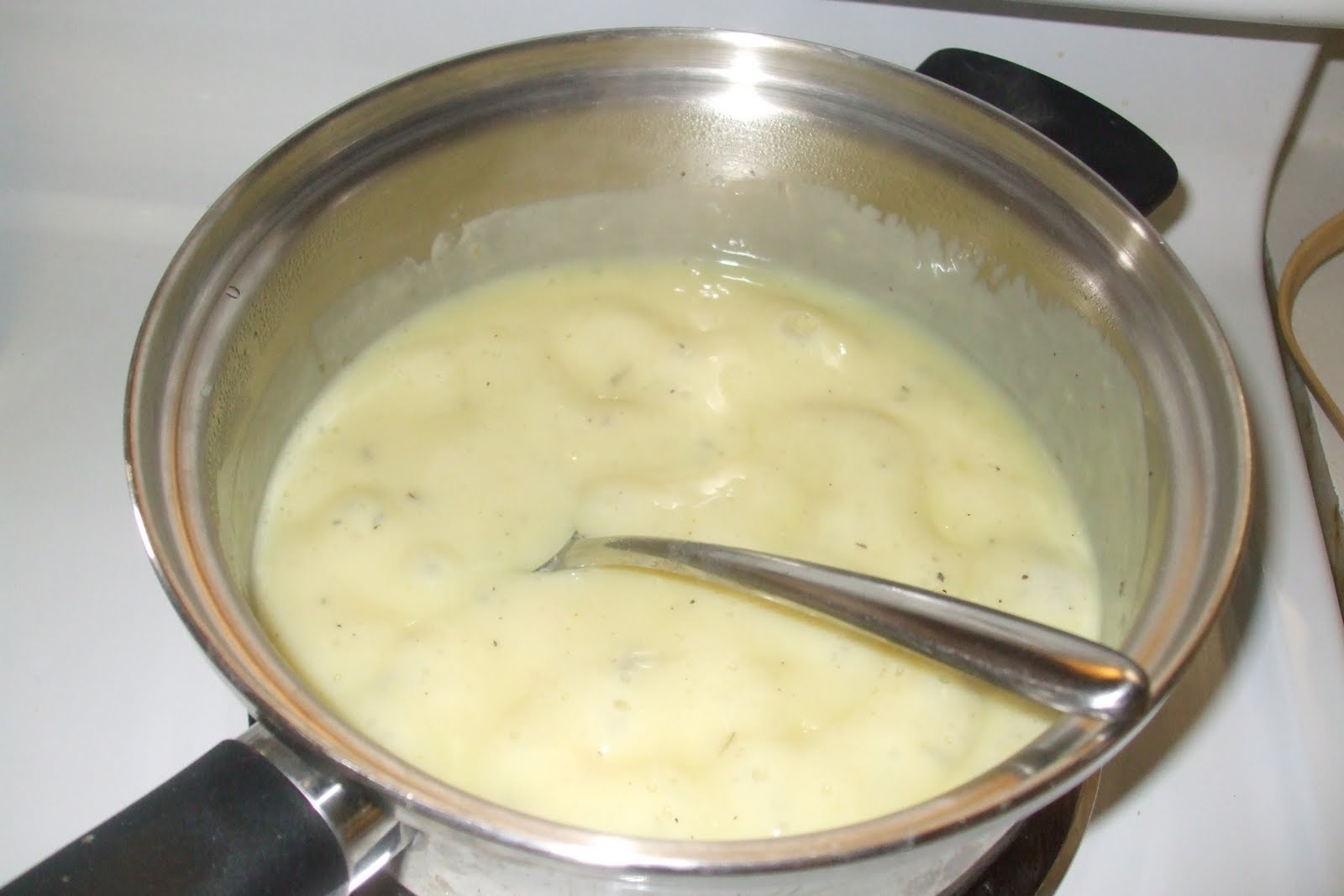
I can't believe I haven't posted about this till now! It's so handy and makes so many meals gluten free that otherwise wouldn't be because the recipe calls for "cream of something" soup. My mom gave me this recipe and the official recipe name on the card is "Condensed Soup Mix," but I've renamed it "Gluten Free Cream Soup Mix."
I made it for the first time this past year and wish I would have done it sooner (I kept putting it off because I never had 2 of the ingredients and kept forgetting to buy them). Before that time I would either avoid recipes calling for "cream of..." soups or I would try to replace it with cornstarch thickened chicken broth (worked with some recipes, but not all). This stuff works so much better! You make up this mix and then add water and whip up the soup on the stove each time a recipe calls for it.


When you need a can of cream soup, just whip up this recipe:

 EASY! And so nice to be able to use instead of buying a can of special gluten free cream soup for a few bucks.
Enjoy!
I made it for the first time this past year and wish I would have done it sooner (I kept putting it off because I never had 2 of the ingredients and kept forgetting to buy them). Before that time I would either avoid recipes calling for "cream of..." soups or I would try to replace it with cornstarch thickened chicken broth (worked with some recipes, but not all). This stuff works so much better! You make up this mix and then add water and whip up the soup on the stove each time a recipe calls for it.
Gluten Free Cream Soup Mix
Ingredients:
- 2 cups nonfat dry milk
- 3/4 cups cornstarch
- 2 T dried onion flakes
- 1/2 t black pepper
- 3/4 cups chicken boullion powder
- 1 t basil (opt)- I put this in
- 1/4 t thyme (opt)- I put this in
Directions for mix:
- Combine all ingredients and store in an airtight container in fridge or freezer (EASY!!!)


When you need a can of cream soup, just whip up this recipe:
- Put 1/3 cup mix and 1 1/4 cup water in saucepan.
- Cook and stir until thickened (a few minutes).
 EASY! And so nice to be able to use instead of buying a can of special gluten free cream soup for a few bucks.
Enjoy!
Saturday, April 24, 2010
Gluten Free Snacks Series: 50 Naturally Gluten Free Snacks
I've decided it's about time this series came to an end. I'll of course still post snack ideas in the future, but I've got a bunch of non-snack recipes I'm excited to share.
 This last post of the "Gluten Free Snack Series" is going to be a bunch of snack ideas (I'm attempting 50, which would be hard for me even if I could add gluten-filled items) that are naturally gluten free. And simple (because I'm all about simple). Enjoy!

What's your favorite snack?
As with everything, check each product to ensure it's gluten free.
 This last post of the "Gluten Free Snack Series" is going to be a bunch of snack ideas (I'm attempting 50, which would be hard for me even if I could add gluten-filled items) that are naturally gluten free. And simple (because I'm all about simple). Enjoy!
- Fruit- get creative. You can always have apples, bananas, and oranges, but try out fruits you might not usually buy (mangoes, papaya, grapefruit, berries, etc.). It will still most likely be cheaper than buying a special gluten free product and it'll probably be healthier.
- Vegetables
- Celery with peanut butter or cream cheese (add raisins for ants on a log :))
- Nuts
- Trail mixes- one without crackers, pretzels, or anything else with gluten (one of my favorite snacks!)
- Yogurt
- GF Cereal (Chex or Cocoa/Fruity Pebbles)
- Cottage cheese- plain or with fruit
- Ranch Doritos and other corn chips (a lot are GF, but not all. Unfortunately, Nacho Cheese Doritoes are NOT GF. That was one of the hardest things for me at the beginning.)
- Potato chips
- Cheetos, both crunchy and puffs
- Ice cream
- Dried fruit
- Raisins (which I guess can count as a dried fruit, but whatever :) )
- Spoonful of peanut butter and jelly (yes, I do this)
- Rice crackers
- Lunch meat
- Cheese slices
- Pickles
- Cheese rolled up in lunch meat
- Candy
- Candy bars- I often get a candy bar if I really want a cookie and don't have access to a gluten free one. Be sure there's no malt (barley) in the candy bar!
- Applesauce
- Fruit snacks
- Hard-boiled egg
- Crunch 'N' Munch
- Rice Cakes (some are GF and some are not, so check)
- Beef jerky (check for GF)
- French fries
- Smoothie
- Corn tortilla w/refried beans and cheese
- Pudding
- Jell-o
- Popsicle
- Sunflower seeds
- Frozen grapes
- Olives
- Salad
- Popcorn
- Chips and salsa or other dip
- Cream cheese balls
- String cheese
- Rice pudding
- Nachos
- Pumpkin seeds
- Pine nuts
- Pepperoni (I like eating this plain)
- Lettuce wraps
- Hot dog slices dipped in ketchup and mustard
- Lunch meat with cream cheese and cranberries rolled up
- Etc


What's your favorite snack?
As with everything, check each product to ensure it's gluten free.
Monday, December 14, 2009
Care Package for Recently Diagnosed
This is pretty cool.
If you or your child has been diagnosed with celiac disease through a biopsy in the past 3 months you can get a
Free Gluten Free Care Package.
It's from the University of Chicago Celiac Disease Center (love them!).
It is full of information to help you eat gluten free and (this is the best part) a bunch of gluten free food samples!
I would have loved this when I first went gluten free (although I wouldn't have actually qualified since I wasn't diagnosed through a biopsy and might only have an intolerance instead of actual celiac).
Go here for more information.
Here's a post from someone who received the care package.
If you or your child has been diagnosed with celiac disease through a biopsy in the past 3 months you can get a
Free Gluten Free Care Package.
It's from the University of Chicago Celiac Disease Center (love them!).
It is full of information to help you eat gluten free and (this is the best part) a bunch of gluten free food samples!
I would have loved this when I first went gluten free (although I wouldn't have actually qualified since I wasn't diagnosed through a biopsy and might only have an intolerance instead of actual celiac).
Go here for more information.
Here's a post from someone who received the care package.
Monday, November 9, 2009
Doctor up your cereal
I don't know about you, but I miss the cereals with almonds, cranberries, raisins, etc. from my pre-gluten free days. Though the selection of GF cereals is growing, it's still not that great.
Luckily, I've found a solution to satisfy my cravings (at least until every cereal is gluten free- I can dream, can't I?). I've started adding my own almonds and cranberries to Rice Chex.
Not sure why I didn't think of this before. I've always been one to add fruit to my cereal (bananas, peaches, strawberries, etc.), but it never occurred to me to add anything more.
 My new favorite is Rice Chex with slivered almonds, dried cranberries, and brown sugar (I mix the brown sugar in with it before I pour the milk in). Delicious!
There are a ton of options with this, just use your imagination (and inspiration from the cereal aisle).
Luckily, I've found a solution to satisfy my cravings (at least until every cereal is gluten free- I can dream, can't I?). I've started adding my own almonds and cranberries to Rice Chex.
Not sure why I didn't think of this before. I've always been one to add fruit to my cereal (bananas, peaches, strawberries, etc.), but it never occurred to me to add anything more.
 My new favorite is Rice Chex with slivered almonds, dried cranberries, and brown sugar (I mix the brown sugar in with it before I pour the milk in). Delicious!
There are a ton of options with this, just use your imagination (and inspiration from the cereal aisle).
Tuesday, March 24, 2009
Facts and Statistics on Celiac Disease
Here are some Celiac Disease facts and statistics I find most interesting from the UChicago Celiac Disease Center:
- Undiagnosed and untreated, celiac disease can lead to the development of other autoimmune disorders, as well as osteoporosis, infertility, neurological conditions and in rare cases, cancer.
- The average length of time it takes for a symptomatic person to be diagnosed with celiac disease in the US is four years; this type of delay dramatically increases an individual’s risk of developing autoimmune disorders, neurological problems, osteoporosis and even cancer.
- In average healthy people: 1 in 133
- In people with related symptoms: 1 in 56
- In people with first-degree relatives (parent, child, sibling) who are celiac: 1 in 22
- In people with second-degree relatives (aunt, uncle, cousin) who are celiac: 1 in 39
- In the landmark prevalence study on celiac disease, investigators determined that 60% of children and 41% of adults diagnosed during the study were asymptomatic (without any symptoms).
- Celiac disease affects 1% of healthy, average Americans. That means at least 3 million people in our country are living with celiac disease—97% of them are undiagnosed.
I suggest taking a look at the entire factsheet.
Also, keep in mind that these statistics are for people who have actual celiac disease. These numbers don't account for the many people with a gluten intolerance. I believe (my husband hates it when I say this) that the majority of the population would benefit from going on a gluten-free diet.
Wednesday, March 18, 2009
GF Dinner Ideas

When I found out I could no longer have gluten I was at a loss as to what I’d ever eat for dinner again. Being a college student, most of my meals consisted of burritos, Wendy’s hamburgers, pizza or spaghetti. All of which I could no longer eat without reaping the consequences. It was hard for me to believe I’d ever be able to find something to eat again, but I did. Here are some guidelines to help make the gluten-free dinner transition easier for you:
1. Look at your favorite recipes and figure out what foods you eat already that are naturally gluten free. Rice dishes are a good place to start, as are meals with a meat and vegetable for a side dish. Potatoes are also great. Pretty much, rice and potatoes will become your starchy foods to fill you up at each meal. Nice that they’re inexpensive. You’ll be surprised at how many options you have from the meals you already eat and love.
2. Continue looking in your recipe box and find recipes that you can alter to make them gluten-free. Do you love Mexican food? Most of it is gluten-free and if it’s not, it’s easy to make that way. Instead of soft flour tortillas when eating a taco try hard taco shells or corn tortillas. Tastes delicious! (Be sure to check the taco seasoning you use. Many have gluten in them, but don’t worry… many don’t). Do you love Sunday dinner of pot roast with mashed potatoes and gravy, but you think those days are over because you can no longer have gravy? Think again. Substitute corn starch for flour. Works beautifully and doesn’t taste any different. BBQ can also still be eaten. Just check the label. Like the taco seasoning a lot of bbq sauces contain gluten, but there is a wide variety that don’t (soy sauce too). There are even options for those dishes that require creamy soups like cream of mushroom. You can either make your own or buy organic soups that are gluten-free.
3. Check out gluten-free products. You can now purchase them at most grocery stores, but for a wider selection check out health food stores or purchase online. I recommend checking reviews about them online or asking others about their favorite brands before purchasing anything (they’re kind of pricey and some are not worth the cost). Feel free to ask my opinion on products and where to get them. You can find delicious gluten-free pasta, so you can still make your favorite pasta dishes. Get the rice pasta. Potato pasta gets mushy really fast.
4. You can still go out to eat on a gluten-free diet. I’ll do posts in the future about this. Until then, let me give you this tip: a lot of restaurants now post their menus and allergy information online. Check out your favorite restaurants and the ones nearby so you can be prepared if you get a craving when you’re out on the go.
In future posts I’ll have delicious gluten-free recipes you can try out (and don’t worry, I’m all about easy and cheap meals, so you’re not going to have to worry about going out to purchase a bunch of ingredients you’ve never heard of and then spend hours slaving over the dish). Let me know if you have any questions about how to make a favorite meal gluten-free or anything else you’d like to learn about or need help with.
Subscribe to:
Posts (Atom)